Skip to content

Emergencies rarely come with a warning. Whether it’s a power outage, severe storm, flood, wildfire, or other unexpected event, having a home emergency kit can help your family stay safe until help arrives.
A home emergency kit is a collection of essential supplies designed to support your household during the first 72 hours of an emergency. This period is often the most critical, as emergency services may be delayed and access to food, clean water, electricity, or medical care may be limited.
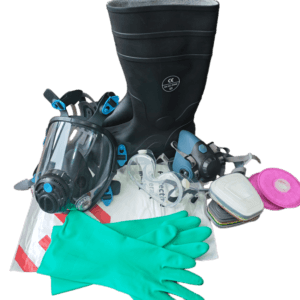
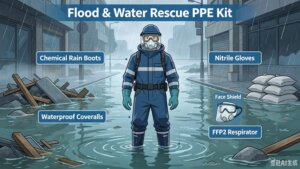
A well-prepared emergency kit should include drinking water, non-perishable food, a first aid kit, flashlights, extra batteries, a battery-powered radio, emergency blankets, hygiene supplies, and basic personal protective equipment (PPE) such as protective gloves and face masks. You should also customize your kit based on your family’s needs by adding prescription medications, copies of important documents, emergency cash, and supplies for infants, elderly family members, or pets.
Many people assume that emergency kits are only necessary in areas prone to earthquakes or hurricanes. In fact, emergencies such as extended power outages, winter storms, floods, chemical spills, and public health emergencies can happen almost anywhere. Being prepared helps reduce stress, improves safety, and allows families to respond more effectively during unexpected situations.
Remember that an effective emergency kit is not about having more supplies—it’s about having the right supplies. Review your kit every six to twelve months, replacing expired food, water, medications, and batteries to ensure everything is ready when you need it.
Preparing a home emergency kit is one of the simplest and most affordable ways to protect your family. A little preparation today can make a big difference when tomorrow is uncertain.